TOOTH RESTORATION
Restorative Dentistry focuses on repairing or replacing damaged, decayed, or missing teeth to restore their function, strength, and appearance. Whether a tooth has been affected by cavities, fractures, injury, or tooth loss, restorative dental treatments are designed to preserve as much natural tooth structure as possible while helping patients regain a healthy, functional smile.
Healthy teeth are essential for everyday activities such as eating, speaking, and smiling with confidence. When teeth become damaged, even minor issues can gradually worsen if left untreated. Small cavities may develop into larger areas of decay, cracked teeth can become more unstable, and missing teeth may affect the alignment of neighboring teeth. Restorative dentistry addresses these concerns before they lead to more extensive oral health problems.
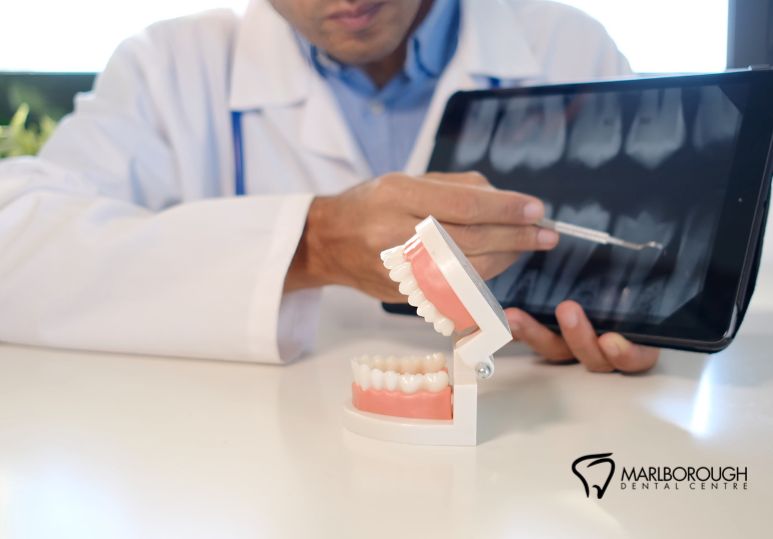
Every restorative treatment begins with a comprehensive dental examination. Your dentist will evaluate your teeth, gums, and supporting bone using a visual assessment and digital X-rays when necessary. This evaluation allows them to identify the source of the problem and recommend the most appropriate treatment based on your oral health needs.
One of the primary goals of restorative dentistry is preserving natural teeth whenever possible. Saving a natural tooth helps maintain proper chewing function, supports jaw health, and prevents neighboring teeth from shifting into empty spaces. Modern restorative techniques make it possible to repair many teeth that may have required extraction in the past.
Restorative dentistry can address a wide variety of dental concerns, including:
- Tooth decay
- Broken or chipped teeth
- Cracked teeth
- Worn teeth
- Missing teeth
- Damaged dental restorations
- Tooth infections
Many patients mistakenly believe restorative dentistry is only necessary when they experience pain. In reality, many dental problems develop gradually without obvious symptoms. Regular dental examinations allow dentists to identify early signs of damage before discomfort begins, making treatment simpler and more conservative.
Modern restorative materials are also designed to blend naturally with your smile. Tooth-colored fillings, ceramic crowns, and other restorations closely match surrounding teeth while providing long-lasting durability. Patients often appreciate that restorative treatment improves both function and appearance simultaneously.
Restorative dentistry is appropriate for patients of all ages. Children may require fillings after cavities, adults often benefit from crowns or bridges, and older adults may need treatment to restore worn or missing teeth. Because every patient's oral health is unique, treatment plans are always customized to individual needs.
Receiving restorative care promptly also helps prevent future complications. Repairing damaged teeth early reduces the likelihood of infections, fractures, and additional tooth loss while helping maintain overall oral health. Addressing problems before they become more advanced often results in shorter treatment times and better long-term outcomes.
Understanding what restorative dentistry involves helps patients feel more confident about seeking treatment. Knowing that modern procedures are designed to preserve natural teeth while restoring comfort and function allows patients to make informed decisions about protecting their smiles.
COMMON TREATMENTS
Modern Restorative Dentistry includes several treatment options that repair damaged teeth while restoring strength, function, and appearance. Your dentist will recommend the most appropriate treatment based on the condition of your teeth, your oral health goals, and the amount of healthy tooth structure remaining.
Dental fillings are among the most common restorative procedures. When decay is detected early, the damaged portion of the tooth is removed and replaced with a durable filling material. Tooth-colored composite fillings blend naturally with surrounding teeth while restoring normal chewing function.
Dental crowns are recommended when a tooth has lost a significant amount of structure due to decay, fractures, or large fillings. A crown completely covers the visible portion of the tooth, strengthening it while restoring its natural shape and appearance. Crowns also protect weakened teeth from additional damage.
Dental bridges replace one or more missing teeth by anchoring an artificial tooth to neighboring teeth. Bridges restore chewing ability, improve appearance, and help prevent surrounding teeth from shifting into the empty space left by a missing tooth.
Dental implants provide another highly effective solution for replacing missing teeth. An implant replaces the tooth root with a small titanium post that supports a custom restoration. Because implants integrate with the jawbone, they provide excellent stability while helping preserve bone health.
Root canal therapy is often recommended when infection reaches the inner pulp of the tooth. Rather than removing the tooth, your dentist removes the infected tissue, disinfects the canals, and seals the tooth before restoring it with a filling or crown. This treatment allows many natural teeth to be preserved for years.
Common restorative treatments include:
- Tooth-colored fillings
- Dental crowns
- Dental bridges
- Dental implants
- Root canal therapy
- Inlays and onlays
- Replacement of damaged restorations
Inlays and onlays may be recommended when damage is too extensive for a filling but not severe enough to require a full crown. These custom restorations strengthen the tooth while preserving more natural tooth structure than traditional crowns.
Your dentist will carefully explain each treatment option, including its benefits, expected lifespan, and recommended aftercare. Understanding the purpose of each restoration helps patients feel comfortable making informed treatment decisions.
Advancements in dental technology have made restorative procedures more efficient and comfortable than ever before. Digital imaging, improved restorative materials, and precise treatment planning allow dentists to deliver highly predictable results while minimizing discomfort.
Many restorative procedures can also be completed in fewer appointments than patients expect. Depending on the treatment, modern techniques may reduce treatment time while still providing durable, natural-looking results that restore confidence and function.
Receiving the appropriate restorative treatment early helps preserve healthy teeth, improve bite function, and prevent additional oral health problems. Whether you need a simple filling or a more comprehensive restoration, timely care supports healthier smiles for years to come.
EARLY TREATMENT
One of the most important aspects of Restorative Dentistry is addressing dental problems before they become more severe. Early treatment allows your dentist to preserve healthy tooth structure, reduce the complexity of care, and improve long-term treatment outcomes.
Small cavities rarely remain small. Without treatment, bacteria continue to weaken the tooth until larger restorations become necessary. A simple filling today may prevent the future need for a crown, root canal therapy, or even tooth extraction.
The same principle applies to cracked or chipped teeth. Minor fractures often become larger over time as teeth experience normal chewing forces. Prompt treatment helps stabilize the tooth while preventing additional structural damage.
Missing teeth should also be replaced whenever appropriate. Empty spaces can allow neighboring teeth to shift, affecting your bite and making oral hygiene more difficult. Replacing missing teeth helps maintain proper alignment while improving chewing efficiency and overall comfort.
Benefits of early restorative treatment include:
- Preserving natural teeth
- Preventing additional damage
- Improving chewing ability
- Restoring smile appearance
- Reducing future treatment needs
- Supporting long-term oral health
- Improving everyday comfort
Early treatment also helps reduce the risk of dental infections. Untreated decay or fractures may allow bacteria to reach the inner portion of the tooth, increasing the likelihood of pain, swelling, or abscess formation. Addressing concerns early helps protect both the affected tooth and surrounding tissues.
Patients often notice improved confidence after restorative treatment. Repairing damaged or missing teeth allows individuals to smile, speak, and eat more comfortably without worrying about discomfort or appearance. Restoring oral function can also improve overall quality of life.
Maintaining restored teeth is equally important. Daily brushing, flossing, routine dental examinations, and professional cleanings help protect both natural teeth and restorations. Regular visits also allow your dentist to monitor existing restorations and identify normal wear before larger repairs become necessary.
Preventive care and restorative dentistry work together to support lasting oral health. Routine examinations help detect concerns early, while restorative treatments repair existing damage before it progresses. This combination allows patients to preserve healthy teeth while minimizing future dental complications.
Choosing restorative dentistry is an investment in both your oral health and your overall well-being. By treating damaged teeth promptly, maintaining regular preventive care, and following your dentist's recommendations, you can enjoy stronger teeth, improved comfort, and a healthier smile for many years. Modern restorative treatments provide reliable, long-lasting solutions that help patients restore function, protect natural teeth, and maintain confidence in their smiles throughout every stage of life.
FAQ's
Q: WHAT IS THE PURPOSE OF RESTORATIVE DENTISTRY?
A: Restorative dentistry repairs damaged, decayed, or missing teeth to restore their function, strength, appearance, and overall oral health while preserving natural teeth whenever possible.
Q: WHICH RESTORATIVE TREATMENT IS RIGHT FOR ME?
A: The best treatment depends on the condition of your teeth, your oral health, and your treatment goals. Your dentist will perform a thorough examination and recommend the most appropriate option.
Q: CAN RESTORATIVE DENTISTRY IMPROVE MY SMILE?
A: Yes. Many restorative treatments improve both the appearance and function of your teeth, helping you chew comfortably, speak clearly, and smile with greater confidence.
.png "What Foods Can You Eat With Invisalign?")
.png "Invisalign vs Braces: Which Works Faster?")
.png "7 Signs It's Time to Remove Your Wisdom Teeth")