EARLY DETECTION
Regular Dental Exams are one of the most effective ways to protect your oral health and prevent small dental concerns from becoming more serious problems. Many oral health conditions develop gradually and may not cause noticeable discomfort in their early stages. By scheduling routine dental exams, your dentist can identify these concerns before they progress, often allowing for simpler, less invasive treatment.
Many patients assume that if they are not experiencing pain, their teeth and gums are healthy. However, cavities, gum disease, cracked teeth, and other oral health conditions frequently develop without obvious symptoms. By the time discomfort appears, the condition may already require more extensive treatment. Routine dental exams help detect these issues while they are still in their earliest stages.
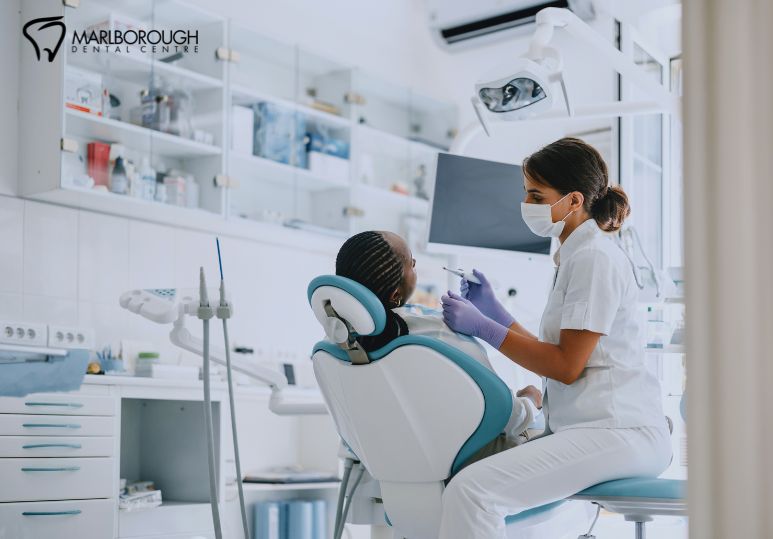
During a comprehensive dental exam, your dentist carefully evaluates your teeth, gums, bite, and surrounding oral tissues. Existing restorations such as fillings, crowns, and bridges are also examined to ensure they remain in good condition. If necessary, dental X-rays may be taken to identify concerns that cannot be seen during a visual examination.
Early diagnosis often allows treatment to be completed before significant damage occurs. A small cavity may only require a simple filling, while untreated decay can eventually lead to infection, root canal therapy, or even tooth loss. Detecting problems early helps preserve your natural teeth while reducing the need for more complex procedures.
Routine exams also allow your dentist to monitor changes over time. Comparing current findings with previous visits helps identify subtle changes that might otherwise go unnoticed. This ongoing evaluation supports better preventive care and more personalized treatment recommendations.
Common concerns that may be detected during routine exams include:
- Tooth decay
- Gum disease
- Cracked or damaged teeth
- Worn dental restorations
- Bite problems
- Oral infections
- Early signs of oral cancer
Your dentist also evaluates your overall gum health during each visit. Healthy gums provide the foundation for healthy teeth, making early identification of gingivitis or periodontal disease especially important. Prompt treatment may help prevent more advanced gum disease and reduce the risk of tooth loss.
Routine dental exams also provide valuable opportunities to discuss any concerns you may have about your oral health. Whether you have noticed tooth sensitivity, jaw discomfort, bleeding gums, or cosmetic concerns, your dentist can evaluate these issues and recommend appropriate care before they become more significant.
In addition to identifying problems, preventive dental exams give patients greater confidence in their oral health. Understanding that your teeth and gums are being monitored regularly provides reassurance while helping you maintain healthy habits between appointments.
PREVENTING TIPS
Preventive dentistry focuses on stopping dental problems before they require extensive treatment. Regular Dental Exams are a cornerstone of this approach because they allow your dentist to monitor your oral health consistently and respond quickly when changes are detected.
Many dental problems become more difficult and expensive to treat when they are left untreated. Small cavities can grow larger, minor cracks may worsen, and early gum disease can progress into more advanced periodontal disease. Scheduling routine dental exams helps reduce these risks by identifying concerns before they develop into larger problems.
Professional examinations also allow your dentist to evaluate existing dental work. Fillings, crowns, bridges, implants, and other restorations naturally experience wear over time. Detecting small issues early may prevent restoration failure and help extend the lifespan of previous dental treatments.
Patients who receive regular dental exams are often less likely to experience unexpected dental emergencies. Conditions such as infections, broken teeth, or advanced decay frequently begin as minor concerns that can often be managed much more easily when discovered early.
Preventive care also supports healthier oral hygiene habits. During your appointment, your dentist may review your brushing and flossing techniques, discuss nutrition, and recommend products that are appropriate for your specific oral health needs. Personalized guidance helps patients improve their daily routine while reducing future risks.
Routine dental exams help prevent complications by:
- Detecting cavities early
- Identifying gum disease sooner
- Monitoring existing dental work
- Evaluating bite alignment
- Screening for oral cancer
- Recommending preventive treatment
- Supporting better oral hygiene
Dental X-rays may also play an important role in preventing future complications. These images allow your dentist to evaluate areas beneath the gums and between the teeth where decay, infections, bone loss, or impacted teeth may otherwise remain hidden. Early identification of these conditions often leads to more conservative treatment options.
Patients with certain health conditions may benefit even more from regular dental exams. Diabetes, dry mouth, smoking, and certain medications can increase the risk of dental disease, making consistent monitoring especially important. Your dentist will recommend an examination schedule that reflects your individual oral health needs and risk factors.
Preventive care also supports better long-term financial planning. Treating small dental concerns early is often less costly than managing advanced disease or replacing damaged teeth. Maintaining routine exams helps patients avoid many preventable complications while preserving their natural smile.
Perhaps most importantly, routine exams encourage patients to remain actively involved in their oral health. Understanding your current condition and receiving professional guidance allows you to make informed decisions that support healthy teeth and gums throughout every stage of life.
LONG-TERM BENEFITS
The benefits of regular Dental Exams extend far beyond identifying cavities. Consistent preventive care supports healthier teeth, healthier gums, improved comfort, and greater confidence while helping patients preserve their natural smile for years to come.
One of the greatest long-term advantages of routine examinations is continuity of care. Seeing your dentist regularly creates an ongoing record of your oral health, making it easier to recognize gradual changes and provide timely treatment whenever necessary. This proactive approach helps maintain healthy teeth while reducing the likelihood of major dental problems.
Routine exams also strengthen the relationship between patients and their dental team. As your dentist becomes more familiar with your oral health history, they can provide increasingly personalized recommendations that reflect your changing needs, lifestyle, and long-term goals.
Many patients discover that maintaining consistent dental appointments encourages better home care as well. Regular visits reinforce healthy brushing and flossing habits while motivating patients to remain committed to preventive care between appointments.
Long-term benefits of routine dental exams include:
- Healthier teeth and gums
- Early detection of oral health concerns
- Reduced risk of complex dental treatment
- Improved oral hygiene habits
- Better monitoring of dental restorations
- Greater confidence in your smile
- Long-lasting oral health
Routine dental exams also contribute to overall well-being. Healthy teeth and gums make it easier to eat comfortably, speak clearly, and maintain proper nutrition. Preventing oral infections and advanced dental disease can also support overall health by reducing chronic inflammation and preserving normal oral function.
As patients age, routine exams become increasingly valuable because oral health needs naturally change over time. Your dentist can monitor age-related wear, evaluate existing restorations, and recommend preventive treatments that help preserve your smile throughout every stage of life.
Patients who attend regular dental appointments are often better prepared to address concerns before they interfere with their daily activities. Rather than waiting for pain or visible damage to appear, preventive care allows potential issues to be managed early, minimizing disruption to work, school, and family life.
Consistent preventive care also helps your dentist track changes in your oral health, address potential issues before they worsen, and provide personalized recommendations that contribute to lasting oral health and overall well-being. Routine exams support early treatment and a healthier smile.
Preventive dentistry is ultimately an investment in your future. Maintaining regular dental exams, practicing good oral hygiene at home, and following your dentist's recommendations work together to support strong teeth, healthy gums, and lasting oral health. With consistent care, patients can enjoy a confident smile while reducing the likelihood of unexpected dental problems and more extensive treatments in the future.
FAQ's
Q: CAN REGULAR DENTAL EXAMS REALLY PREVENT MAJOR DENTAL PROBLEMS?
A: Yes. Regular dental exams help identify cavities, gum disease, damaged teeth, and other concerns early, allowing treatment before they become more serious and require more extensive procedures.
Q: HOW OFTEN SHOULD I HAVE A DENTAL EXAM?
A: Most patients benefit from a dental exam every six months, although your dentist may recommend more frequent visits based on your oral health, medical history, and individual risk factors.
Q: WHAT HAPPENS IF I SKIP REGULAR DENTAL EXAMS?
A: Skipping routine dental exams increases the risk that cavities, gum disease, and other oral health concerns will go unnoticed until they become more advanced, potentially leading to more complex and costly treatment.
.png "What Foods Can You Eat With Invisalign?")
.png "Invisalign vs Braces: Which Works Faster?")
.png "7 Signs It's Time to Remove Your Wisdom Teeth")