EARLY BENEFITS
Dental problems often begin gradually, and many issues do not cause noticeable pain or discomfort in the early stages. Because of this, it can be easy for patients to delay care until symptoms become more obvious. However, waiting until a dental concern becomes painful may result in the need for more advanced treatment. Early attention allows dentists to identify and manage concerns before they become larger problems.
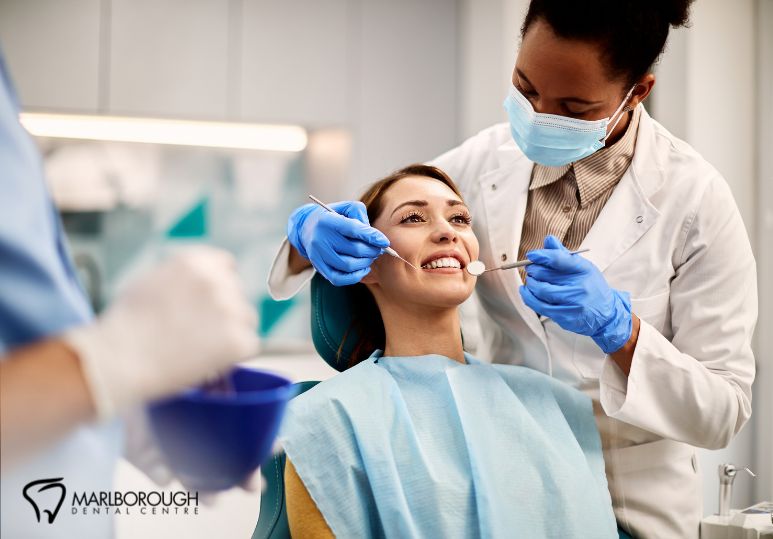
Routine Dental Exams play an important role in detecting changes in oral health early. During these visits, dentists can evaluate the teeth, gums, and surrounding structures to identify potential concerns that may not be visible or noticeable at home. Finding problems early often means treatment can be simpler, faster, and less invasive.
A small cavity is a common example. When tooth decay is discovered early, it may only require a minor restoration. However, untreated decay can continue spreading deeper into the tooth, potentially leading to discomfort, infection, or the need for more complex procedures. Early treatment focuses on protecting as much healthy tooth structure as possible.
Benefits of early dental treatment may include:
- Smaller procedures
- Reduced discomfort
- Shorter appointments
- Lower risk of complications
- Better long-term outcomes
- Preserving natural teeth
- Improved oral health
- Preventing larger issues
Another advantage of early treatment is that it gives patients more options. When dental concerns progress, available treatment choices may become more limited. Addressing issues at an earlier stage allows dentists to recommend solutions that focus on prevention and preservation.
Early care can also help reduce stress and uncertainty. Many patients feel anxious about dental treatment because they worry about discomfort or complicated procedures. Regular visits and proactive care can help create a more comfortable experience by addressing concerns while they are still manageable.
Preventive dentistry is not only about treating existing problems. It also involves monitoring changes over time. Teeth, gums, and oral structures naturally change throughout life, and regular evaluations allow dentists to recognize patterns before they develop into serious concerns.
Through consistent Dental Exams, patients can receive personalized recommendations based on their specific needs. This may include improving oral hygiene habits, adjusting home care routines, or monitoring areas that may require attention in the future.
Taking action early is one of the most effective ways to maintain a healthy smile. Instead of waiting for discomfort to appear, preventive dental care focuses on protecting oral health and reducing the likelihood of needing extensive treatment later.
ISSUES CAUGHT EARLY
Many dental conditions are easier to manage when they are discovered in the beginning stages. Some problems may develop silently, meaning patients may not realize something is wrong until the issue has already progressed. This is why routine dental visits are an important part of maintaining long-term oral health.
One of the most common problems found early is tooth decay. Cavities often start small and may not cause pain immediately. A dentist can identify early signs of decay and recommend appropriate treatment before the damage becomes more significant.
Gum health is another important area monitored during dental visits. Early gum irritation may appear as redness, swelling, or bleeding while brushing and flossing. If ignored, gum problems may progress and become more difficult to manage over time.
Common dental concerns detected early include:
- Tooth decay
- Gum inflammation
- Cracked or damaged teeth
- Worn fillings
- Bite changes
- Tooth sensitivity
- Teeth grinding
- Early signs of infection
Small cracks or chips in teeth are also easier to address when caught early. A minor crack may not seem concerning at first, but pressure from chewing can cause the damage to worsen. Early detection allows dentists to recommend solutions that help protect the tooth before additional problems develop.
Existing dental work also needs regular monitoring. Fillings, crowns, and other restorations can wear down over time. During Dental Exams, dentists can check the condition of previous dental work and determine whether repairs or replacements may be needed.
Bite issues and teeth grinding are additional concerns that may be discovered during routine care. Many patients grind or clench their teeth without realizing it, especially while sleeping. Over time, this pressure can contribute to worn teeth, jaw discomfort, and other oral health concerns.
Tooth sensitivity can also be an early warning sign. Sensitivity to hot, cold, or sweet foods may indicate enamel wear, gum changes, or developing dental concerns. Identifying the reason behind sensitivity can help prevent further discomfort.
Another important part of early detection is patient education. Dental visits provide an opportunity for patients to better understand their oral health and learn what steps they can take to maintain their smile. Small changes in daily habits can often make a significant difference over time.
By recognizing these concerns early, dentists can create treatment plans designed around prevention and long-term health. Addressing minor issues before they become major problems helps patients maintain stronger teeth, healthier gums, and greater confidence in their oral care.
PREVENTING PROBLEMS
Preventive dental care focuses on maintaining oral health rather than waiting for problems to occur. While modern dentistry offers many advanced treatment options, preserving natural teeth and avoiding unnecessary procedures is always the preferred approach whenever possible.
Regular Dental Exams allow dentists to track changes in oral health and identify concerns before they become more serious. These appointments provide valuable information about the condition of the teeth, gums, bite, and overall oral structures.
Preventive dental care may include:
- Routine dental checkups
- Professional cleanings
- Early diagnosis
- Personalized recommendations
- Monitoring oral changes
- Preventive treatments
- Oral hygiene guidance
- Long-term care planning
Professional cleanings are another important part of prevention. Even with excellent brushing and flossing habits, plaque and tartar can build up in areas that are difficult to clean at home. Removing buildup helps support healthier teeth and gums.
Preventive care also helps dentists understand each patient's individual risks. Some people may be more prone to cavities, gum issues, enamel wear, or other dental concerns. Recognizing these risks allows dentists to recommend a personalized approach rather than waiting for problems to appear.
Consistency is one of the biggest factors in maintaining oral health. Patients who attend regular appointments often have a better understanding of their dental needs and can make informed decisions about treatment when necessary.
Early intervention can also help protect overall comfort and function. Healthy teeth are important for eating, speaking, and maintaining confidence. By preventing avoidable dental issues, patients can continue enjoying the benefits of a strong and healthy smile.
It is important to remember that dental problems rarely improve when ignored. Small concerns can gradually progress and become more difficult to treat over time. Taking a proactive approach allows patients to stay ahead of potential problems instead of reacting after symptoms develop.
By prioritizing routine Dental Exams and early treatment, patients can protect their oral health, preserve their natural teeth, and reduce the chances of needing more complex procedures in the future. Preventive care creates a foundation for long-term dental wellness and helps patients maintain healthier smiles for years to come.
FAQ's
Q: HOW OFTEN SHOULD I SCHEDULE DENTAL EXAMS?
A: Most patients benefit from regular Dental Exams every six months, but the recommended schedule may vary depending on individual oral health needs and risk factors.
Q: WHY IS EARLY DENTAL TREATMENT IMPORTANT?
A: Early dental treatment helps identify and address concerns before they become more serious, often allowing for simpler procedures and better long-term results.
Q: CAN DENTAL EXAMS PREVENT MAJOR DENTAL PROBLEMS?
A: Yes. Routine Dental Exams help dentists detect early warning signs, monitor oral health changes, and recommend preventive steps before issues become more complex.
.png "Invisalign vs Braces: Which Works Faster?")
.png "7 Signs It's Time to Remove Your Wisdom Teeth")
.png "Root Canal vs Tooth Extraction: Which Is Better?")