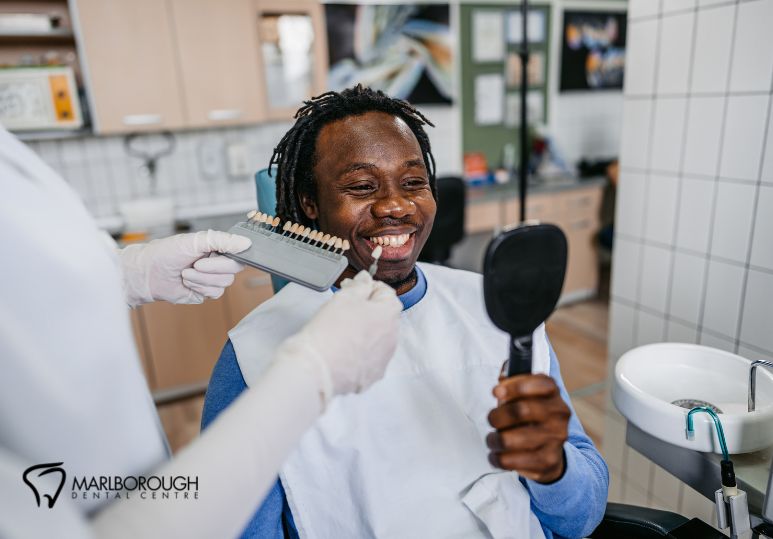
VENEERS VS BONDING
A beautiful smile can make a lasting impression, and cosmetic dentistry offers several ways to improve the appearance of your teeth. Two of the most popular options are Veneers and dental bonding. Both treatments are designed to correct cosmetic imperfections such as chipped, stained, uneven, or slightly misshapen teeth, but they differ in materials, durability, cost, and the types of concerns they are best suited to address.
Understanding the differences between veneers and dental bonding helps patients choose the treatment that best matches their smile goals. While both options can produce natural-looking results, the right choice depends on your oral health, lifestyle, budget, and the condition of your teeth.
Veneers are thin, custom-made shells that are bonded to the front surface of the teeth. They are commonly made from porcelain and are carefully designed to match the colour, size, and shape of your natural smile. Veneers are known for their durability, stain resistance, and ability to create dramatic cosmetic improvements.
Dental bonding uses a tooth-coloured composite resin that is carefully sculpted directly onto the tooth before being hardened with a special curing light. Bonding is often completed in a single appointment and is an effective solution for repairing small chips, closing minor gaps, improving tooth shape, or covering small areas of discoloration.
Both treatments can improve the appearance of your smile, but they are intended for different situations. Veneers are often recommended for patients seeking a more comprehensive smile makeover, while bonding is typically best for smaller cosmetic corrections.
Common concerns both treatments can improve include:
- Chipped teeth
- Minor cracks
- Tooth discoloration
- Small gaps between teeth
- Slightly uneven teeth
- Minor shape irregularities
- Worn tooth edges
Before recommending either treatment, your dentist will perform a thorough examination of your teeth and gums. Healthy teeth and gums provide the best foundation for cosmetic dentistry. Existing cavities, gum disease, or bite problems may need to be addressed before cosmetic treatment begins.
The condition of your teeth also influences which option is most appropriate. Patients with significant staining, multiple cosmetic concerns, or extensive enamel defects often benefit more from veneers, while patients with isolated imperfections may achieve excellent results with dental bonding.
Another important consideration is longevity. Although both treatments provide attractive results, veneers generally last longer and resist staining better than composite bonding. Bonding, however, offers the advantage of preserving more natural tooth structure and typically involves a lower initial investment.
Understanding the strengths of each treatment allows patients to make informed decisions while choosing the cosmetic solution that best fits their individual needs.
KEY DIFFERENCES
Although Veneers and dental bonding share the same goal of improving your smile, there are several important differences that patients should understand before choosing treatment.
One of the biggest differences is the material used. Porcelain veneers are fabricated in a dental laboratory using durable ceramic materials that closely resemble natural tooth enamel. Composite bonding uses a tooth-coloured resin applied directly by your dentist during your appointment.
Treatment time also varies considerably. Dental bonding is frequently completed in a single visit because the material is placed and shaped directly on the tooth. Veneers generally require two or more appointments because impressions are taken before the custom restorations are fabricated and permanently bonded.
Durability is another major distinction. Porcelain veneers are highly resistant to staining and wear, often lasting many years with proper care. Composite bonding is durable but typically requires more maintenance and occasional touch-ups because the material may chip or stain over time.
Appearance is another factor many patients consider. Porcelain reflects light similarly to natural enamel, creating exceptionally lifelike results. Composite bonding also produces attractive results but may not match the long-term colour stability and translucency of porcelain.
Key differences include:
- Materials used
- Number of appointments
- Durability
- Stain resistance
- Cost
- Maintenance requirements
- Longevity
Cost is often an important part of the decision-making process. Bonding generally costs less initially because it requires less laboratory work and can usually be completed during one appointment. Veneers involve custom fabrication, making them a greater investment while often providing longer-lasting cosmetic benefits.
Maintenance is similar for both treatments. Patients should continue brushing twice daily, flossing regularly, attending routine dental examinations, and avoiding habits such as biting hard objects or using teeth as tools. Good oral hygiene helps extend the lifespan of both veneers and bonding.
Your bite also plays an important role. Patients who grind or clench their teeth may place additional stress on cosmetic restorations. Your dentist may recommend a custom nightguard to help protect your investment and reduce unnecessary wear.
The location of the cosmetic concern also influences treatment selection. Front teeth with visible cosmetic imperfections often respond well to veneers, while smaller chips or isolated defects may be corrected effectively with bonding.
Ultimately, neither treatment is universally better than the other. Each offers unique advantages depending on the patient's goals, oral health, and desired outcome. A personalized consultation allows your dentist to recommend the option that provides the best combination of appearance, function, and long-term value.
THE BEST OPTION
Choosing between Veneers and dental bonding begins with understanding your personal smile goals. Every patient has unique cosmetic concerns, and the ideal treatment depends on several factors, including the condition of your teeth, your lifestyle, your expectations, and your long-term oral health.
Patients seeking dramatic smile transformations often choose veneers because they provide consistent colour, shape, and symmetry across multiple teeth. Veneers are especially beneficial when correcting several cosmetic concerns simultaneously, including severe staining, worn enamel, uneven spacing, and irregular tooth shapes.
Dental bonding is often an excellent option for patients who have relatively healthy teeth with only minor cosmetic imperfections. Small chips, tiny gaps, slight discoloration, and minor contour irregularities can often be corrected quickly and conservatively using composite resin.
Your dentist will carefully evaluate your smile before recommending treatment. During your consultation, they will examine your teeth, discuss your cosmetic goals, review your dental history, and explain the advantages and limitations of each option. This individualized approach helps ensure realistic expectations and satisfying long-term results.
Factors your dentist may consider include:
- Overall oral health
- Number of teeth being treated
- Degree of cosmetic correction needed
- Budget
- Long-term expectations
- Bite alignment
- Lifestyle habits
Patients should also consider the long-term maintenance of cosmetic dentistry. While veneers generally require fewer touch-ups, they are a permanent treatment because a small amount of enamel is usually removed during preparation. Bonding is more conservative but may require occasional repairs or replacement as the material naturally wears over time.
Maintaining cosmetic results depends on healthy daily habits. Brushing, flossing, professional cleanings, and regular dental examinations all help protect both natural teeth and cosmetic restorations. Avoiding tobacco products and limiting foods or beverages that stain teeth may also help maintain a brighter smile.
Patients who participate in sports should wear a custom mouthguard to protect veneers, bonding, and natural teeth from accidental injury. Those who grind their teeth may benefit from a nightguard to reduce excessive pressure during sleep.
Many patients appreciate that both veneers and bonding can significantly improve confidence. Correcting visible imperfections often allows people to smile more comfortably in personal, social, and professional settings. Improved confidence frequently becomes one of the most rewarding benefits of cosmetic dentistry.
Choosing between veneers and bonding is ultimately a personal decision made in partnership with your dentist. By considering your oral health, cosmetic goals, lifestyle, and budget, you can select the treatment that best supports your long-term smile goals. Whether you choose veneers for a comprehensive smile makeover or dental bonding for smaller cosmetic improvements, both treatments can provide beautiful, natural-looking results that enhance your appearance and confidence while supporting long-term oral health.
FAQ's
Q: ARE VENEERS BETTER THAN DENTAL BONDING?
A: Both treatments offer excellent cosmetic results. Veneers are generally more durable and stain-resistant, while dental bonding is often more affordable and ideal for smaller cosmetic repairs.
Q: HOW LONG DO VENEERS AND DENTAL BONDING LAST?
A: Porcelain veneers can often last 10 to 15 years or longer with proper care, while dental bonding typically lasts several years before requiring touch-ups or replacement.
Q: WHICH TREATMENT LOOKS MORE NATURAL?
A: Both veneers and dental bonding can look very natural when performed by an experienced dentist. Veneers generally provide greater colour stability and a more lifelike appearance because of the porcelain material used.
.png "What Foods Can You Eat With Invisalign?")
.png "Invisalign vs Braces: Which Works Faster?")
.png "7 Signs It's Time to Remove Your Wisdom Teeth")