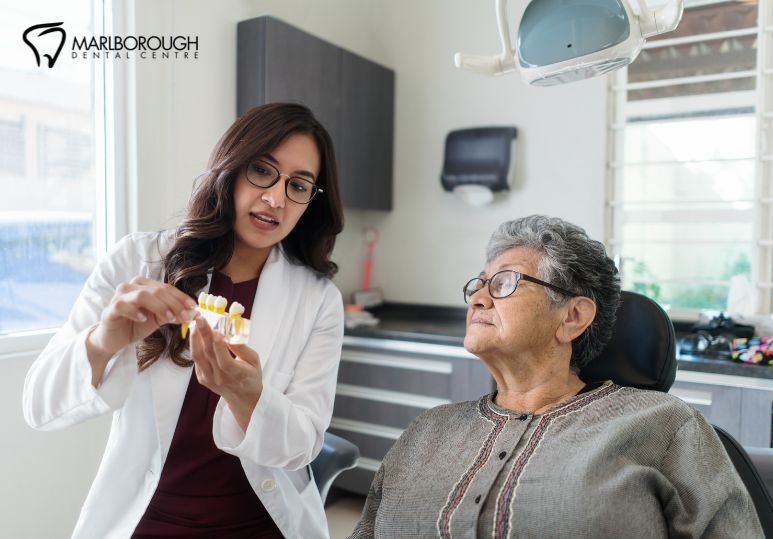
TOOTH REPAIR
A damaged tooth does not always need to be removed. Thanks to modern Restorative Dentistry, many teeth affected by decay, fractures, wear, or injury can be repaired and preserved for years to come. Restorative dental treatments are designed to restore the health, function, and appearance of damaged teeth while helping patients maintain a healthy, confident smile.
Teeth experience daily stress from chewing, grinding, accidents, and normal wear over time. Small cavities, cracked teeth, worn fillings, or broken restorations may seem minor initially, but they often become more serious if left untreated. Early restorative treatment helps stop damage from progressing while preserving as much healthy tooth structure as possible.
One of the primary goals of restorative dentistry is to save natural teeth whenever possible. Natural teeth provide the best support for chewing, speaking, and maintaining proper bite alignment. Preserving them also helps prevent neighboring teeth from shifting into empty spaces, reducing the risk of additional oral health concerns.
Your dentist will begin by performing a comprehensive examination to determine the extent of the damage. Digital X-rays and a visual assessment help identify decay, fractures, infections, or structural weaknesses that may not be immediately visible. Based on these findings, your dentist can recommend the most appropriate restorative treatment.
The type of treatment depends on the severity of the problem. Small cavities may only require a filling, while larger areas of damage may benefit from a dental crown. Missing teeth may require bridges or dental implants, and more advanced infections may require root canal therapy before the tooth can be restored.
Common reasons patients may need restorative dentistry include:
- Tooth decay
- Cracked or fractured teeth
- Broken fillings
- Worn teeth
- Missing teeth
- Dental injuries
- Damaged crowns or bridges
Treating dental damage early often results in simpler procedures and better long-term outcomes. Small restorations are generally less invasive than extensive reconstruction required after prolonged neglect. Early care also helps reduce discomfort and lowers the risk of infection or tooth loss.
Many patients delay treatment because they are not experiencing pain. However, dental damage frequently progresses without obvious symptoms. A cavity may continue growing beneath the surface, or a crack may gradually worsen until a large portion of the tooth breaks unexpectedly.
Restoring damaged teeth also protects surrounding teeth and gums. When one tooth becomes weakened or missing, additional pressure is often placed on neighboring teeth during chewing. Over time, this imbalance can contribute to excessive wear, bite changes, and additional restorative needs. Addressing problems promptly helps maintain proper function throughout the entire mouth.
COMMON TREATMENTS
Modern Restorative Dentistry offers a variety of treatment options designed to repair damaged teeth while preserving as much natural tooth structure as possible. Every treatment plan is customized according to the patient's oral health, the severity of the damage, and long-term goals.
Dental fillings are among the most common restorative procedures. When decay is detected early, the damaged portion of the tooth is removed and replaced with a durable filling material that restores strength while preventing further decay. Tooth-colored fillings blend naturally with surrounding teeth, providing both functional and aesthetic benefits.
When a tooth has lost a significant amount of structure, a dental crown may be recommended. Crowns completely cover the visible portion of the tooth, restoring its shape, strength, and appearance while protecting it from further damage. Crowns are commonly used after large fillings, fractures, or root canal treatment.
Patients with one or more missing teeth may benefit from dental bridges or dental implants. Bridges replace missing teeth by anchoring to adjacent teeth, while implants replace both the tooth root and crown, providing long-term stability and function. Your dentist will recommend the option that best suits your individual needs.
Root canal therapy is another important restorative treatment when infection reaches the inner pulp of the tooth. Removing the infected tissue allows the tooth to be preserved rather than extracted. Following treatment, a crown is often placed to strengthen and protect the restored tooth.
Restorative treatment options may include:
- Tooth-colored fillings
- Dental crowns
- Dental bridges
- Dental implants
- Root canal therapy
- Inlays and onlays
- Replacement of damaged restorations
Your dentist will carefully explain each recommended treatment, including its purpose, expected results, and long-term benefits. Understanding your options allows you to make informed decisions about your care while feeling confident throughout the treatment process.
Many restorative procedures can now be completed comfortably using modern dental technology and advanced materials. Improvements in digital imaging, durable restorations, and minimally invasive techniques allow dentists to preserve more natural tooth structure while delivering highly predictable results.
Restorative dentistry also improves oral function. Patients often notice improved chewing ability, clearer speech, and greater comfort once damaged teeth have been repaired. Restoring proper function also reduces unnecessary stress on surrounding teeth and helps maintain balanced bite alignment.
Completing restorative treatment promptly often prevents the need for more extensive procedures later. A simple filling today may prevent the need for a crown or root canal in the future, making early treatment an important investment in long-term oral health.
LONG-TERM BENEFITS
The advantages of Restorative Dentistry extend far beyond repairing damaged teeth. Restoring oral health helps patients eat comfortably, speak confidently, maintain proper bite function, and enjoy improved quality of life for many years.
One of the greatest long-term benefits is preserving your natural teeth. Every effort is made to save healthy tooth structure whenever possible because natural teeth continue to provide the best support for normal chewing and jaw function. Preserving natural teeth also helps maintain the integrity of the surrounding bone and gums.
Restorative dentistry can also prevent additional dental problems from developing. Repairing decay, fractures, or worn restorations reduces the likelihood of bacteria entering deeper portions of the tooth, lowering the risk of infection and tooth loss. Healthy restorations also help distribute biting forces more evenly across your smile.
Patients often experience renewed confidence after restorative treatment. Damaged or missing teeth can make people hesitant to smile, laugh, or speak openly. Restoring both appearance and function helps many patients feel more comfortable in social and professional situations.
Long-term benefits of restorative dentistry include:
- Preserved natural teeth
- Improved chewing ability
- Better speech
- Stronger bite function
- Reduced risk of future damage
- Enhanced smile appearance
- Long-lasting oral health
Maintaining restored teeth requires the same healthy habits as caring for natural teeth. Brushing twice daily, flossing regularly, attending routine dental exams, and receiving professional cleanings all help extend the lifespan of restorations while protecting surrounding teeth and gums.
Regular dental visits also allow your dentist to monitor fillings, crowns, bridges, and implants over time. Early identification of normal wear or minor concerns often allows repairs to be completed before larger problems develop.
Patients who receive restorative treatment early frequently avoid more complex procedures later. Addressing small concerns before they worsen helps reduce treatment time, preserve healthy tooth structure, and improve long-term outcomes. Preventive care combined with timely restorative treatment provides the strongest foundation for lifelong oral health.
Another important advantage is improved overall comfort. Damaged teeth can make eating difficult and may cause sensitivity to hot, cold, or pressure. Restoring the affected teeth helps relieve discomfort while allowing patients to enjoy everyday activities with greater confidence.
Restorative dentistry is ultimately an investment in your future oral health. By repairing damaged teeth before problems become more severe, patients can preserve their natural smiles, maintain proper oral function, and reduce the likelihood of future complications. With personalized treatment, regular preventive care, and good home oral hygiene, restorative dental work can provide lasting comfort, function, and confidence for many years to come.
FAQ's
Q: CAN A BADLY DAMAGED TOOTH BE SAVED?
A: In many cases, yes. Depending on the extent of the damage, treatments such as fillings, crowns, or root canal therapy may restore the tooth and help avoid extraction.
Q: WHAT IS THE MOST COMMON RESTORATIVE DENTAL TREATMENT?
A: Dental fillings are among the most common restorative treatments because they repair teeth affected by cavities while restoring strength and function.
Q: HOW LONG DO RESTORATIVE DENTAL TREATMENTS LAST?
A: The lifespan of a restoration depends on the type of treatment, your oral hygiene habits, and regular dental care. Many restorations can last for many years with proper maintenance.
.png "What Foods Can You Eat With Invisalign?")
.png "Invisalign vs Braces: Which Works Faster?")
.png "7 Signs It's Time to Remove Your Wisdom Teeth")