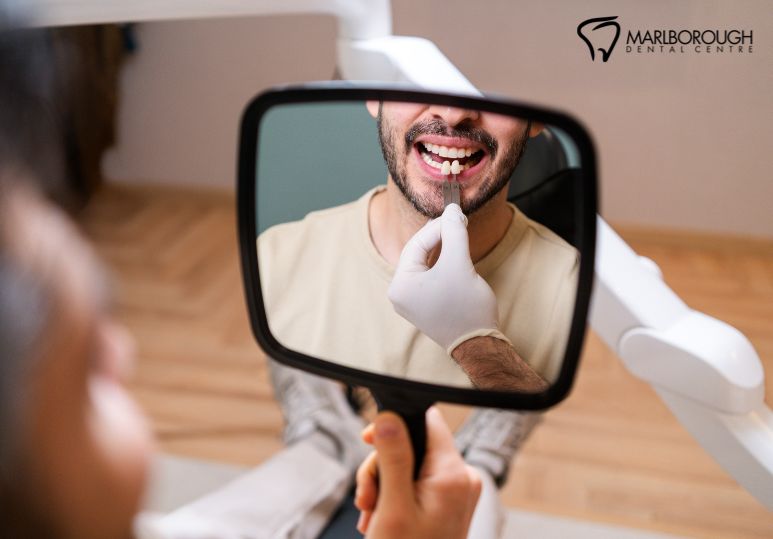
CROWNS LIFESPAN
Dental Crowns are one of the most reliable and long-lasting solutions for restoring damaged, weakened, or severely decayed teeth. Designed to cover and protect the visible portion of a tooth, crowns restore strength, improve function, and enhance the appearance of your smile. Whether a crown is placed after a large filling, root canal treatment, or a fractured tooth, it plays an important role in preserving your natural tooth for as long as possible.
One of the most common questions patients ask is how long a dental crown will last. While there is no single answer, many crowns provide excellent function and appearance for 10 to 15 years or longer with proper care. Some patients even keep their crowns for several decades when they maintain good oral hygiene and attend regular dental checkups.
The lifespan of a crown depends on several factors, including the material used, where it is located in the mouth, your daily oral hygiene habits, and whether you grind or clench your teeth. Every patient's oral health is unique, so the longevity of a crown can vary from person to person.
Dental crowns are commonly recommended when a tooth has lost too much structure to be restored with a filling alone. By completely covering the remaining tooth, the crown protects it from additional damage while restoring normal chewing ability and a natural appearance.
Common reasons a dental crown may be recommended include:
- Large cavities
- Broken or fractured teeth
- Worn teeth
- Root canal treatment
- Large failing fillings
- Severely weakened teeth
- Cosmetic smile improvements
Modern crowns are fabricated using durable materials such as porcelain, ceramic, porcelain fused to metal, or metal alloys. Your dentist will recommend the most appropriate material based on the location of the tooth, your bite, cosmetic goals, and overall oral health.
Many patients are surprised by how natural today's crowns look. Modern materials closely resemble natural enamel, allowing crowns to blend seamlessly with surrounding teeth while providing exceptional durability.
Although crowns are designed to be strong, they are not indestructible. Like natural teeth, crowns can become damaged if exposed to excessive pressure, trauma, poor oral hygiene, or untreated decay around the edges of the restoration. Understanding how to care for your crown helps maximize its lifespan.
Regular dental examinations are equally important. During routine visits, your dentist can monitor the condition of your crown, evaluate the supporting tooth, and identify small concerns before they develop into larger problems requiring replacement.
Knowing what affects the lifespan of a dental crown allows patients to protect their investment while maintaining a healthy, functional smile for many years.
CROWN FACTORS
Several factors influence how long Dental Crowns last. While modern crowns are designed for durability, their longevity depends not only on the quality of the restoration but also on how well they are maintained after placement.
One of the biggest factors is oral hygiene. Although the crown itself cannot develop cavities, the natural tooth underneath remains vulnerable to decay along the crown's margins. Brushing twice daily, flossing carefully around the crown, and attending routine professional cleanings help protect the supporting tooth and surrounding gums.
The location of the crown also affects its lifespan. Crowns placed on back molars experience greater chewing forces than crowns on front teeth. Because molars handle most of the pressure during eating, these restorations may experience more wear over time.
Daily habits also play an important role. Patients who bite fingernails, chew ice, open packages with their teeth, or frequently consume extremely hard foods place unnecessary stress on both natural teeth and crowns. Avoiding these habits helps reduce the risk of chips, cracks, or loosening.
Factors that influence crown longevity include:
- Oral hygiene habits
- Crown material
- Tooth location
- Bite pressure
- Teeth grinding
- Diet and lifestyle
- Regular dental checkups
Bruxism, or teeth grinding and clenching, is another common reason crowns wear prematurely. Constant grinding places excessive force on restorations and may eventually lead to fractures or loosening. Patients who grind their teeth during sleep often benefit from wearing a custom nightguard to help protect both their crowns and natural teeth.
The quality of the underlying tooth also matters. A crown relies on the remaining natural tooth for support. If decay develops beneath the restoration or the tooth becomes weakened over time, replacement or additional treatment may become necessary.
The material selected for the crown influences longevity as well. Porcelain and ceramic crowns provide excellent aesthetics while remaining highly durable for most patients. Metal-based crowns may offer exceptional strength in areas subjected to heavy chewing forces, while porcelain fused to metal crowns provide a balance of durability and appearance.
Regular dental examinations allow your dentist to monitor the fit of your crown and surrounding tissues. Small issues such as minor wear, loose cement, or early decay can often be corrected before they require complete crown replacement.
Accidental trauma may also shorten the lifespan of a crown. Sports injuries, falls, or biting unexpectedly hard objects can damage even the strongest restoration. Wearing a custom sports mouthguard during athletic activities provides valuable protection for both crowns and natural teeth.
Patients who maintain healthy gums generally experience longer-lasting restorations. Gum disease can affect the tissues supporting the crowned tooth, potentially compromising the restoration over time. Good periodontal health contributes to the long-term success of every dental crown.
While no restoration lasts forever, understanding these factors allows patients to make informed choices that help maximize the lifespan of their crowns and maintain healthy smiles.
CROWN CARE
Although Dental Crowns are designed for long-term durability, proper care is essential for achieving the longest possible lifespan. Fortunately, maintaining a crown is very similar to caring for your natural teeth and involves consistent daily habits combined with routine professional dental care.
Brushing your teeth twice each day with a soft-bristled toothbrush helps remove plaque and bacteria from around the crown and surrounding gum tissue. Flossing daily is equally important because it removes debris from areas that brushing alone cannot reach. Keeping the crown margins clean helps protect the natural tooth underneath from developing decay.
Routine dental examinations and professional cleanings allow your dentist to evaluate your crown regularly. Early detection of wear, small fractures, or changes in the supporting tooth often allows simple repairs before larger problems develop.
Avoiding unnecessary pressure also helps extend the life of your crown. Teeth should never be used to open packages, bite hard objects, or crack ice. These habits place excessive stress on both crowns and natural teeth and increase the risk of damage.
Ways to help your crown last longer include:
- Brush twice daily
- Floss every day
- Schedule regular dental checkups
- Wear a nightguard if recommended
- Avoid chewing hard objects
- Wear a sports mouthguard during activities
- Address dental concerns promptly
Healthy dietary choices also contribute to long-lasting restorations. Limiting sugary snacks and acidic beverages helps reduce the risk of decay affecting the tooth beneath the crown. Drinking plenty of water and maintaining balanced nutrition support both oral and overall health.
Patients should also pay attention to changes involving their crown. Increased sensitivity, discomfort while chewing, looseness, or visible damage should never be ignored. Prompt evaluation allows your dentist to determine whether the crown requires adjustment, repair, or replacement before additional complications occur.
If a crown eventually reaches the end of its lifespan, replacement is often straightforward. Your dentist will evaluate the underlying tooth, remove the existing restoration, and determine whether a new crown is the best solution. Replacing an aging crown before significant problems develop helps preserve the natural tooth whenever possible.
Many patients appreciate that crowns restore more than just damaged teeth. They improve chewing ability, restore proper bite function, protect weakened teeth, and enhance confidence by creating natural-looking smiles. When combined with excellent oral hygiene and preventive care, crowns remain one of the most predictable and successful restorative dental treatments available.
Choosing to care for your dental crown is an investment in your long-term oral health. By following your dentist's recommendations, attending regular checkups, and maintaining healthy daily habits, you can significantly increase the lifespan of your restoration while protecting the natural tooth beneath it. With proper maintenance, dental crowns can continue providing strength, comfort, function, and an attractive smile for many years.
FAQ's
Q: HOW LONG DO DENTAL CROWNS TYPICALLY LAST?
A: Most dental crowns last between 10 and 15 years, although many can remain functional for 20 years or longer with proper care, excellent oral hygiene, and regular dental checkups.
Q: CAN A DENTAL CROWN BE REPLACED?
A: Yes. If a crown becomes worn, damaged, loose, or the underlying tooth develops decay, your dentist can evaluate the restoration and replace it if necessary.
Q: HOW CAN I HELP MY DENTAL CROWN LAST LONGER?
A: Brush and floss daily, attend routine dental visits, avoid chewing hard objects, wear a nightguard if you grind your teeth, and seek prompt dental care if you notice any discomfort or damage.
.png "What Foods Can You Eat With Invisalign?")
.png "Invisalign vs Braces: Which Works Faster?")
.png "7 Signs It's Time to Remove Your Wisdom Teeth")